中文字幕网伦射乱中文-超清中文乱码字幕在线观看-亚洲v国产v欧美v久久久久久-久久性网-手机在线成人av-成人六区-国产人与zoxxxx另类一一-青青草国产久久精品-蜜桃av久久久一区二区三区麻豆-成人av一区二区免费播放-在线视频麻豆-www爱爱-成人免费看片视频-性欧美老肥妇喷水-五月99久久婷婷国产综合亚洲-亚洲最色-各种含道具高h调教1v1男男-91丨porny丨国产-国产精品无码专区在线观看不卡-大香伊人

 
Spotlight: Iraqis vote in 1st post-IS parliamentary election, hope for new changes, better governance
                 Source: Xinhua | 2018-05-13 03:47:22 | Editor: huaxia

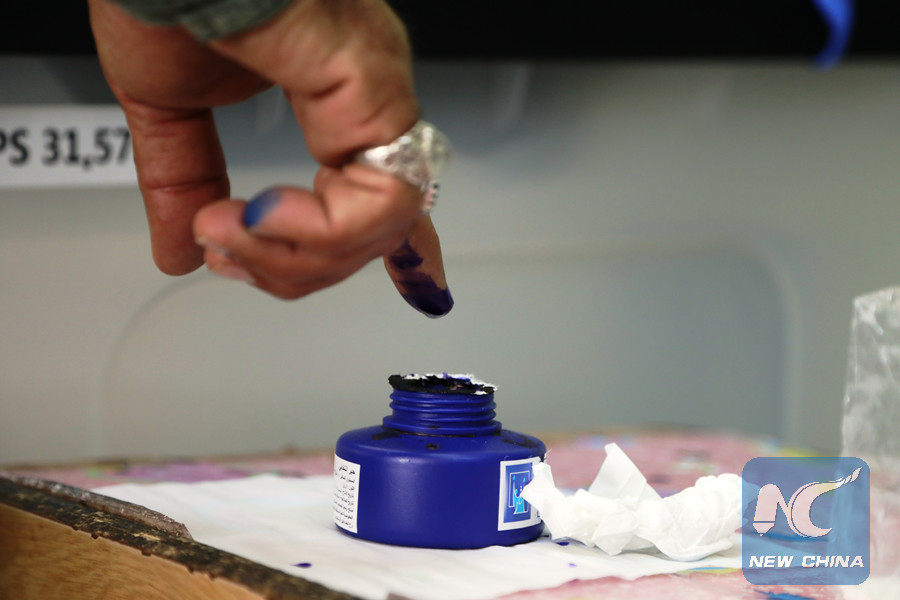
On May 12, 2018, Iraqis cast their votes across the country in parliamentary election amid tight security. (Xinhua/Khalil Dawood)

BAGHDAD, May 12 (Xinhua) -- Iraqis voted on Saturday in the first parliamentary election after winning a four-year war with the Islamic State (IS) group, hoping that the war-torn country would embrace new changes to heal division, fight corruption and improve governance.

Up to 8,959 polling stations in the country opened from 7 a.m. local time (0400 GMT) to 6 p.m. local time (1500 GMT), amid tight security measures. Around 7,000 candidates were vying for 329 seats in the parliament.

Despite IS threat to disturb the election, Saturday's polls were held in a relatively calm manner thanks to the tight security measures imposed by the government, with a large number of security forces deployed to provide three-layer protection to the polling centers.

There were only sporadic attacks in the provinces of Salahudin and Diyala. Four security guards were killed in Mes'hag area of Salahudin province, while two suicide attackers were killed in Diyala's provincial capital Baqubah.

The incumbent Prime Minister Haider al-Abadi, leader of the Al-Nasr (Victory) Coalition, hailed the election as an important achievement for the Iraqi people after defeating the IS terrorists and unifying the country.

"This election is decisive for Iraq's future, so the voters should actively participate in the voting," Abadi told state TV Al Iraqiya after casting his ballot at the Karrada polling center in Baghdad.

Iraq's Vice President Nuri al-Maliki, head of the State of Law Coalition, said after voting at a polling center inside the Royal Tulip Alrasheed hotel that "this is an important day in Iraq's history."

"Election is the only way to give democracy a success, and I call on all the people to choose whoever they believe as proper person to be their representative," he said.

This year's election, which shows continued fragmentation along political, sectarian and ethnic lines, is believed to be a chance to alter the political landscape and bring about reforms, analysts said.

However, it could also open up opportunities for sectarian and ethnic hardliners, who will be empowered by the political polarization, to complicate and delay the formation of the next government, said Ibrahim al-Ameri, a political analyst and teacher of politics at Baghdad University.

Ameri believed that the post-election stage would be more important, as coalitions will regroup to form the largest alliance that would designate the next prime minister.

Although the Al-Nasr Coalition was expected to lead the vote, it may not be able to form the next government if it could not secure a majority of 165 seats in the parliament. The coalition needs to hold tough negotiation with other smaller alliances in order to form the government.

"We have seen a lot of wars, killings and sectarian violence, but today we want peaceful means to achieve our goals," said Amal al-Jubouri, a lawyer and a human rights activist.

She called on Iraqis to trust the democracy as election is the only path to changes.

Jubouri is a female member of a UN mission campaign in Iraq aimed at supporting the Iraqi women to take part in the country's political process.

In December 2017, Abadi announced the full liberation of one third of Iraqi lands from IS control after the government forces backed by anti-IS international coalition defeated the militants.

Since the liberation, the security situation in the country has been dramatically improved. Many Iraqis are looking forward to comprehensive reforms, blaming the current Shiite-led government for failing to repair the crumbling infrastructure, reduce unemployment and end corruption.

Fadhel Eleiwi, 24, still unemployed years after graduating from Agriculture College of University of Baghdad, is one of thousands of college graduates desperate to find a job.

"We want to change the miserable situation of our country, as the ruling parties failed to find solutions to the problems of Iraq. Perhaps, new faces could give us new hope," Eleiwi told Xinhua.

Kifah al-Sudani, a retired nurse in her 60s, told Xinhua that people should bear responsibility and vote for the right candidate.

"People are looking forward to achieving social justice, better housing, jobs, education and rebuilding the country's industry and agriculture. To make such dreams come true, voters must choose carefully and differentiate between the good and the bad," she said.

About 75,000 local monitors and 963 international ones were deployed across the country to observe the voting.

Back to Top Close
Xinhuanet

Spotlight: Iraqis vote in 1st post-IS parliamentary election, hope for new changes, better governance

Source: Xinhua 2018-05-13 03:47:22

On May 12, 2018, Iraqis cast their votes across the country in parliamentary election amid tight security. (Xinhua/Khalil Dawood)

BAGHDAD, May 12 (Xinhua) -- Iraqis voted on Saturday in the first parliamentary election after winning a four-year war with the Islamic State (IS) group, hoping that the war-torn country would embrace new changes to heal division, fight corruption and improve governance.

Up to 8,959 polling stations in the country opened from 7 a.m. local time (0400 GMT) to 6 p.m. local time (1500 GMT), amid tight security measures. Around 7,000 candidates were vying for 329 seats in the parliament.

Despite IS threat to disturb the election, Saturday's polls were held in a relatively calm manner thanks to the tight security measures imposed by the government, with a large number of security forces deployed to provide three-layer protection to the polling centers.

There were only sporadic attacks in the provinces of Salahudin and Diyala. Four security guards were killed in Mes'hag area of Salahudin province, while two suicide attackers were killed in Diyala's provincial capital Baqubah.

The incumbent Prime Minister Haider al-Abadi, leader of the Al-Nasr (Victory) Coalition, hailed the election as an important achievement for the Iraqi people after defeating the IS terrorists and unifying the country.

"This election is decisive for Iraq's future, so the voters should actively participate in the voting," Abadi told state TV Al Iraqiya after casting his ballot at the Karrada polling center in Baghdad.

Iraq's Vice President Nuri al-Maliki, head of the State of Law Coalition, said after voting at a polling center inside the Royal Tulip Alrasheed hotel that "this is an important day in Iraq's history."

"Election is the only way to give democracy a success, and I call on all the people to choose whoever they believe as proper person to be their representative," he said.

This year's election, which shows continued fragmentation along political, sectarian and ethnic lines, is believed to be a chance to alter the political landscape and bring about reforms, analysts said.

However, it could also open up opportunities for sectarian and ethnic hardliners, who will be empowered by the political polarization, to complicate and delay the formation of the next government, said Ibrahim al-Ameri, a political analyst and teacher of politics at Baghdad University.

Ameri believed that the post-election stage would be more important, as coalitions will regroup to form the largest alliance that would designate the next prime minister.

Although the Al-Nasr Coalition was expected to lead the vote, it may not be able to form the next government if it could not secure a majority of 165 seats in the parliament. The coalition needs to hold tough negotiation with other smaller alliances in order to form the government.

"We have seen a lot of wars, killings and sectarian violence, but today we want peaceful means to achieve our goals," said Amal al-Jubouri, a lawyer and a human rights activist.

She called on Iraqis to trust the democracy as election is the only path to changes.

Jubouri is a female member of a UN mission campaign in Iraq aimed at supporting the Iraqi women to take part in the country's political process.

In December 2017, Abadi announced the full liberation of one third of Iraqi lands from IS control after the government forces backed by anti-IS international coalition defeated the militants.

Since the liberation, the security situation in the country has been dramatically improved. Many Iraqis are looking forward to comprehensive reforms, blaming the current Shiite-led government for failing to repair the crumbling infrastructure, reduce unemployment and end corruption.

Fadhel Eleiwi, 24, still unemployed years after graduating from Agriculture College of University of Baghdad, is one of thousands of college graduates desperate to find a job.

"We want to change the miserable situation of our country, as the ruling parties failed to find solutions to the problems of Iraq. Perhaps, new faces could give us new hope," Eleiwi told Xinhua.

Kifah al-Sudani, a retired nurse in her 60s, told Xinhua that people should bear responsibility and vote for the right candidate.

"People are looking forward to achieving social justice, better housing, jobs, education and rebuilding the country's industry and agriculture. To make such dreams come true, voters must choose carefully and differentiate between the good and the bad," she said.

About 75,000 local monitors and 963 international ones were deployed across the country to observe the voting.

010020070750000000000000011100001371746321