中文字幕网伦射乱中文-超清中文乱码字幕在线观看-亚洲v国产v欧美v久久久久久-久久性网-手机在线成人av-成人六区-国产人与zoxxxx另类一一-青青草国产久久精品-蜜桃av久久久一区二区三区麻豆-成人av一区二区免费播放-在线视频麻豆-www爱爱-成人免费看片视频-性欧美老肥妇喷水-五月99久久婷婷国产综合亚洲-亚洲最色-各种含道具高h调教1v1男男-91丨porny丨国产-国产精品无码专区在线观看不卡-大香伊人

 
Feature: U.S. ginseng industry hurt in ongoing U.S.-China trade frictions
                 Source: Xinhua | 2018-08-17 04:07:03 | Editor: huaxia

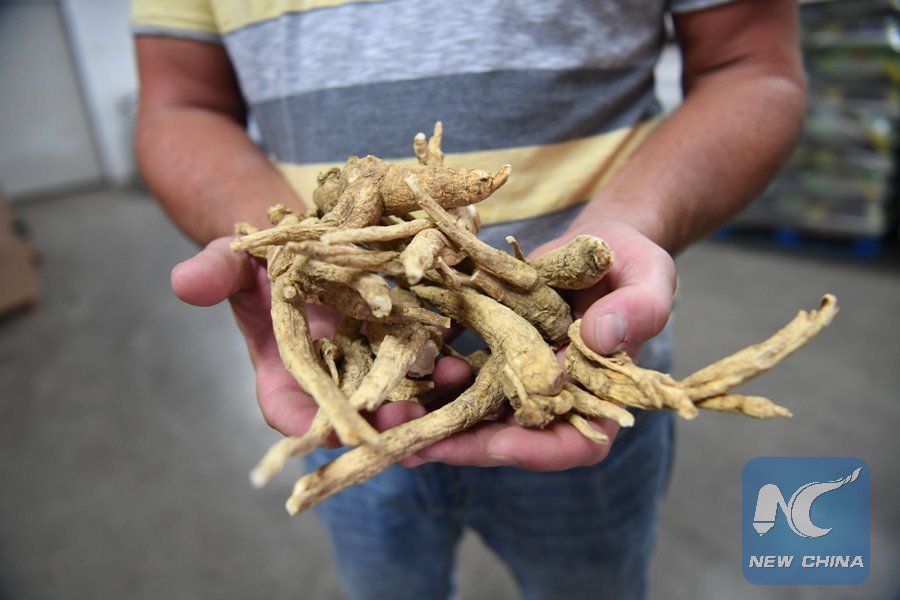
Joe Heil holds ginseng product in a warehouse of his ginseng farm in Wausau, Wisconsin, the United States, July 25, 2018. (Xinhua/Liu Jie)

by Xinhua writers Liu Chen, Hu Yousong

WASHINGTON, Aug. 15 (Xinhua) -- Joe Heil has grown ginseng for more than 20 years. His Wisconsin-based farm with 50-acre ginseng was lucrative. Recently, however, the fear of loss looms large in his mind.

As the U.S.-ignited trade frictions with China escalate, some customers who have expressed interest in purchasing Wisconsin ginseng have backed off. "They're scared about what the tariffs are going to do to their margins," the 46-year-old grower told Xinhua.

Due to good soil and weather, Wisconsin is well-known for its high-quality ginseng, which accounts for over 90 percent of the total cultivated ginseng output of the United States.
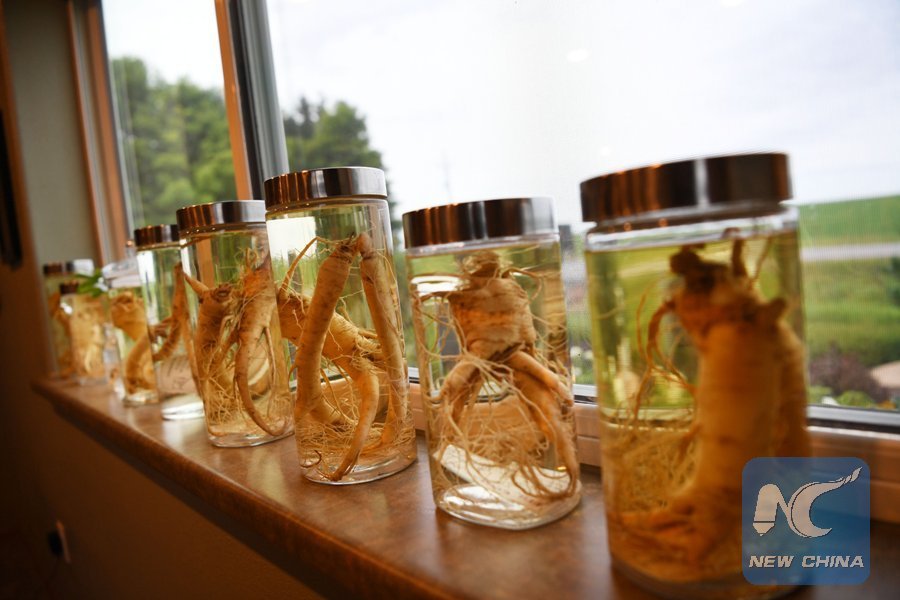
Photo taken on July 25, 2018 shows ginsengs in bottles at Joe Heil's home in Wausau, Wisconsin, the United States. Joe Heil has grown ginseng for more than 20 years. (Xinhua/Liu Jie)

Most of U.S. ginseng products are exported to Asian countries, where ginseng root, usually consumed in beverages or soups, is believed to be good to health. Dubbed "king of herbs," ginseng is also believed to contain high medical value in traditional Chinese medicine.

As a countermeasure against the U.S. unilateral move to slap massive tariffs on Chinese imports, China in early April suspended tariff concessions on 128 items of U.S. products and started to impose a tariff of 15 percent on 120 items, including ginseng.

Since the start of the year, the United States has been wielding the stick of tariffs against its trading partners worldwide. The moves have triggered tit-for-tat retaliations from countries affected, and are expected to drag down global growth by 0.5 percent, according to the International Monetary Fund.

The newly added tariff disturbed Heil's ginseng business. "I can't afford to absorb it (the tariff) myself," he said. "It's not lucrative enough."
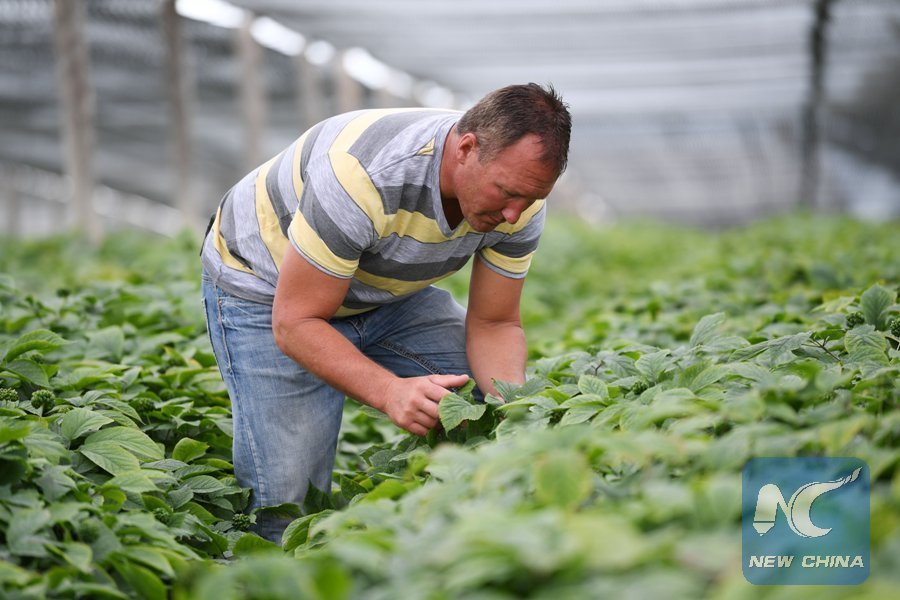
Joe Heil works in his ginseng farm in Wausau, Wisconsin, the United States, July 25, 2018. Joe Heil has grown ginseng for more than 20 years. (Xinhua/Liu Jie)

About 80 percent of Heil's products are purchased by Chinese. Among others are Malaysian, Japanese and Singaporean buyers.

Heil has traveled to China several times over past years. With "some partnerships and friends" in China, he can export his ginseng products directly to China, his most important market, without "people in the middle."

Now, however, "we have to look at some alternative places to ship our product," Heil said.

Nevertheless, Heil did not plan to cut production. "Once we plant the seed, it takes four years before we have anything to harvest," he said. "It's really tough to predict what's going to happen in four years."

"It's really tough to start messing with the acres I grow, because that's a trickle effect that affects everything for a long time," he added.

Tongrentang, a Beijing-based pharmaceutical company, is another victim of the 15-percent tariff.
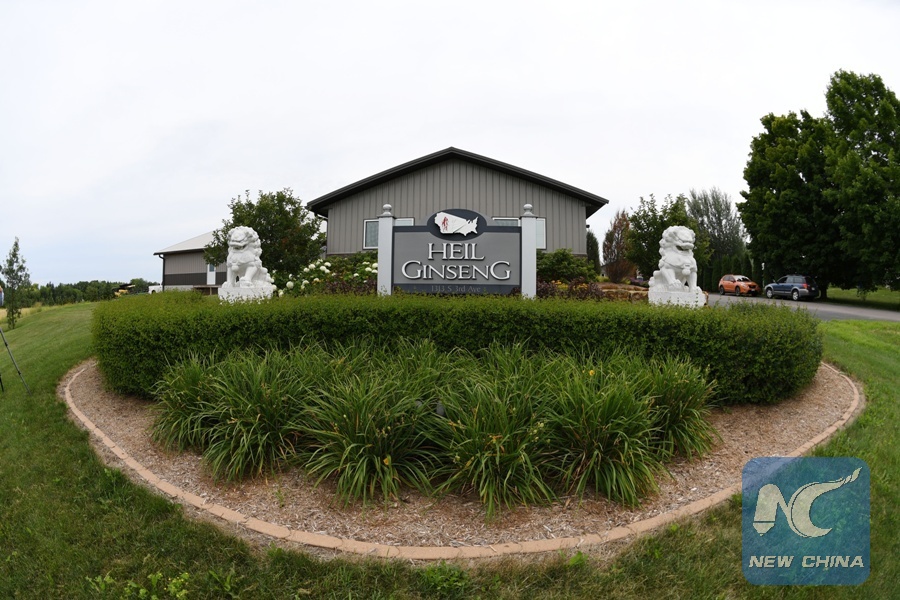
Photo taken on July 25, 2018 shows a sign of Heil Harvest company in Wausau, Wisconsin, the United States. Joe Heil has grown ginseng for more than 20 years. (Xinhua/Liu Jie)

The key buyer of Wisconsin ginseng and largest producer of traditional Chinese medicine has had its own ginseng garden in Wisconsin since 2017. It thus directly provides ginseng root products to China, a cost-saving way to meet the increasing demand there.

The ginseng industry is not the only one hurt in the trade frictions, said Li Nan, deputy general manager of the U.S. branch of Tongrentang. Soy bean and corn growers also suffer serious losses, with agriculture-related businesses like farmland equipment and pesticide too among the victims.

"It hurts everybody," Heil said. "I'm hoping that we can figure it out."

Back to Top Close
Xinhuanet

Feature: U.S. ginseng industry hurt in ongoing U.S.-China trade frictions

Source: Xinhua 2018-08-17 04:07:03

Joe Heil holds ginseng product in a warehouse of his ginseng farm in Wausau, Wisconsin, the United States, July 25, 2018. (Xinhua/Liu Jie)

by Xinhua writers Liu Chen, Hu Yousong

WASHINGTON, Aug. 15 (Xinhua) -- Joe Heil has grown ginseng for more than 20 years. His Wisconsin-based farm with 50-acre ginseng was lucrative. Recently, however, the fear of loss looms large in his mind.

As the U.S.-ignited trade frictions with China escalate, some customers who have expressed interest in purchasing Wisconsin ginseng have backed off. "They're scared about what the tariffs are going to do to their margins," the 46-year-old grower told Xinhua.

Due to good soil and weather, Wisconsin is well-known for its high-quality ginseng, which accounts for over 90 percent of the total cultivated ginseng output of the United States.

Photo taken on July 25, 2018 shows ginsengs in bottles at Joe Heil's home in Wausau, Wisconsin, the United States. Joe Heil has grown ginseng for more than 20 years. (Xinhua/Liu Jie)

Most of U.S. ginseng products are exported to Asian countries, where ginseng root, usually consumed in beverages or soups, is believed to be good to health. Dubbed "king of herbs," ginseng is also believed to contain high medical value in traditional Chinese medicine.

As a countermeasure against the U.S. unilateral move to slap massive tariffs on Chinese imports, China in early April suspended tariff concessions on 128 items of U.S. products and started to impose a tariff of 15 percent on 120 items, including ginseng.

Since the start of the year, the United States has been wielding the stick of tariffs against its trading partners worldwide. The moves have triggered tit-for-tat retaliations from countries affected, and are expected to drag down global growth by 0.5 percent, according to the International Monetary Fund.

The newly added tariff disturbed Heil's ginseng business. "I can't afford to absorb it (the tariff) myself," he said. "It's not lucrative enough."

Joe Heil works in his ginseng farm in Wausau, Wisconsin, the United States, July 25, 2018. Joe Heil has grown ginseng for more than 20 years. (Xinhua/Liu Jie)

About 80 percent of Heil's products are purchased by Chinese. Among others are Malaysian, Japanese and Singaporean buyers.

Heil has traveled to China several times over past years. With "some partnerships and friends" in China, he can export his ginseng products directly to China, his most important market, without "people in the middle."

Now, however, "we have to look at some alternative places to ship our product," Heil said.

Nevertheless, Heil did not plan to cut production. "Once we plant the seed, it takes four years before we have anything to harvest," he said. "It's really tough to predict what's going to happen in four years."

"It's really tough to start messing with the acres I grow, because that's a trickle effect that affects everything for a long time," he added.

Tongrentang, a Beijing-based pharmaceutical company, is another victim of the 15-percent tariff.

Photo taken on July 25, 2018 shows a sign of Heil Harvest company in Wausau, Wisconsin, the United States. Joe Heil has grown ginseng for more than 20 years. (Xinhua/Liu Jie)

The key buyer of Wisconsin ginseng and largest producer of traditional Chinese medicine has had its own ginseng garden in Wisconsin since 2017. It thus directly provides ginseng root products to China, a cost-saving way to meet the increasing demand there.

The ginseng industry is not the only one hurt in the trade frictions, said Li Nan, deputy general manager of the U.S. branch of Tongrentang. Soy bean and corn growers also suffer serious losses, with agriculture-related businesses like farmland equipment and pesticide too among the victims.

"It hurts everybody," Heil said. "I'm hoping that we can figure it out."

010020070750000000000000011100001373963451