中文字幕网伦射乱中文-超清中文乱码字幕在线观看-亚洲v国产v欧美v久久久久久-久久性网-手机在线成人av-成人六区-国产人与zoxxxx另类一一-青青草国产久久精品-蜜桃av久久久一区二区三区麻豆-成人av一区二区免费播放-在线视频麻豆-www爱爱-成人免费看片视频-性欧美老肥妇喷水-五月99久久婷婷国产综合亚洲-亚洲最色-各种含道具高h调教1v1男男-91丨porny丨国产-国产精品无码专区在线观看不卡-大香伊人

 
U.S., Canada resume trade talks to bridge differences over NAFTA
                 Source: Xinhua | 2018-09-06 03:31:49 | Editor: huaxia

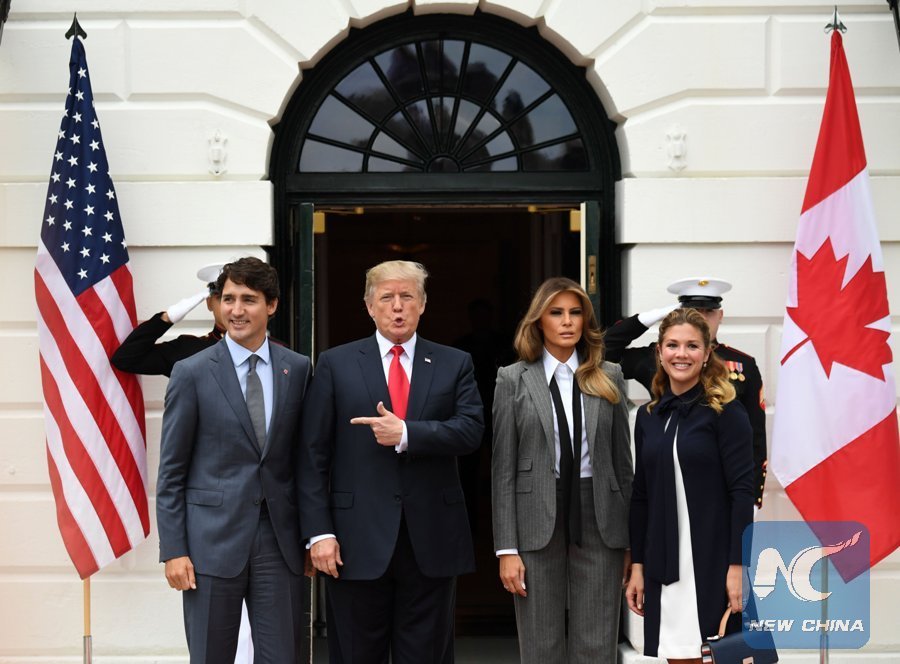
File Photo: U.S. President Donald Trump (2nd L) welcomes visiting Canadian Prime Minister Justin Trudeau (1st L) at the White House in Washington D.C., the United States, on Oct. 11, 2017. Trump met with Trudeau amid new NAFTA negotiations. (Xinhua/Yin Bogu)

WASHINGTON, Sept. 5 (Xinhua) -- Negotiators from the United States and Canada on Wednesday resumed trade talks here to bridge their differences on the North American Free Trade Agreement (NAFTA) after the two sides failed to reach a deal last week.

"Our officials have continued to work hard and constructively over the weekend and we are looking forward to constructive conversations today," Canadian Foreign Minister Chrystia Freeland told reporters on Wednesday in Washington.

The trade talks came after U.S. President Donald Trump said on Saturday that there is "no political necessity" to keep Canada in the new NAFTA deal.

"If we don't make a fair deal for the U.S. after decades of abuse, Canada will be out," Trump said via Twitter, threatening to terminate the 24-year-old trilateral trade deal.

The White House has pressured Canada to accept the preliminary agreement it struck with Mexico last Monday to update the trilateral trade deal. But Canada insisted that it would only sign a new agreement that is good for the country.

One of the major sticking points in the talks is a so-called dispute resolution system, contained in Chapter 19 of the original NAFTA agreement. The United States has proposed to scrap the dispute resolution system that Canada regard as crucial.

"We've said from the very beginning that we need a dispute resolution mechanism like Chapter 19 and we will hold firm on that," Canadian Prime Minister Justin Trudeau said on Tuesday.

"As I've said, we will not sign a deal that is bad for Canadians and, quite frankly, not having a Chapter 19 to ensure that the rules are followed would be bad for Canadians," he said.

While U.S. officials have indicated that they are prepared to go ahead and sign a NAFTA deal only with Mexico, the U.S. business community and many lawmakers have insisted that the NAFTA deal should remain a trilateral pact.

"Anything other than a trilateral agreement won't win congressional approval and would lose business support," President and CEO of the U.S. Chamber of Commerce Thomas Donohue said last week.

Senate Finance Committee Ranking Member Ron Wyden on Tuesday also refuted Trump's assertion that he could unilaterally withdraw from NAFTA without congressional approval.

"The president needs to take a look at the Constitution - it gives Congress authority over trade. The president cannot pull America out of NAFTA without Congress's permission," Wyden said in a statement.

Talks on renegotiating the NAFTA began in August 2017 as Trump threatened to withdraw from the trilateral trade deal, which he claimed harmed U.S. industries and jobs.

Back to Top Close
Xinhuanet

U.S., Canada resume trade talks to bridge differences over NAFTA

Source: Xinhua 2018-09-06 03:31:49

File Photo: U.S. President Donald Trump (2nd L) welcomes visiting Canadian Prime Minister Justin Trudeau (1st L) at the White House in Washington D.C., the United States, on Oct. 11, 2017. Trump met with Trudeau amid new NAFTA negotiations. (Xinhua/Yin Bogu)

WASHINGTON, Sept. 5 (Xinhua) -- Negotiators from the United States and Canada on Wednesday resumed trade talks here to bridge their differences on the North American Free Trade Agreement (NAFTA) after the two sides failed to reach a deal last week.

"Our officials have continued to work hard and constructively over the weekend and we are looking forward to constructive conversations today," Canadian Foreign Minister Chrystia Freeland told reporters on Wednesday in Washington.

The trade talks came after U.S. President Donald Trump said on Saturday that there is "no political necessity" to keep Canada in the new NAFTA deal.

"If we don't make a fair deal for the U.S. after decades of abuse, Canada will be out," Trump said via Twitter, threatening to terminate the 24-year-old trilateral trade deal.

The White House has pressured Canada to accept the preliminary agreement it struck with Mexico last Monday to update the trilateral trade deal. But Canada insisted that it would only sign a new agreement that is good for the country.

One of the major sticking points in the talks is a so-called dispute resolution system, contained in Chapter 19 of the original NAFTA agreement. The United States has proposed to scrap the dispute resolution system that Canada regard as crucial.

"We've said from the very beginning that we need a dispute resolution mechanism like Chapter 19 and we will hold firm on that," Canadian Prime Minister Justin Trudeau said on Tuesday.

"As I've said, we will not sign a deal that is bad for Canadians and, quite frankly, not having a Chapter 19 to ensure that the rules are followed would be bad for Canadians," he said.

While U.S. officials have indicated that they are prepared to go ahead and sign a NAFTA deal only with Mexico, the U.S. business community and many lawmakers have insisted that the NAFTA deal should remain a trilateral pact.

"Anything other than a trilateral agreement won't win congressional approval and would lose business support," President and CEO of the U.S. Chamber of Commerce Thomas Donohue said last week.

Senate Finance Committee Ranking Member Ron Wyden on Tuesday also refuted Trump's assertion that he could unilaterally withdraw from NAFTA without congressional approval.

"The president needs to take a look at the Constitution - it gives Congress authority over trade. The president cannot pull America out of NAFTA without Congress's permission," Wyden said in a statement.

Talks on renegotiating the NAFTA began in August 2017 as Trump threatened to withdraw from the trilateral trade deal, which he claimed harmed U.S. industries and jobs.

010020070750000000000000011105091374477161