中文字幕网伦射乱中文-超清中文乱码字幕在线观看-亚洲v国产v欧美v久久久久久-久久性网-手机在线成人av-成人六区-国产人与zoxxxx另类一一-青青草国产久久精品-蜜桃av久久久一区二区三区麻豆-成人av一区二区免费播放-在线视频麻豆-www爱爱-成人免费看片视频-性欧美老肥妇喷水-五月99久久婷婷国产综合亚洲-亚洲最色-各种含道具高h调教1v1男男-91丨porny丨国产-国产精品无码专区在线观看不卡-大香伊人

 
Canada avoids U.S. tariffs on autos, needs steel levies also removed: Canadian business leader
                 Source: Xinhua | 2018-10-03 21:52:13 | Editor: mmm

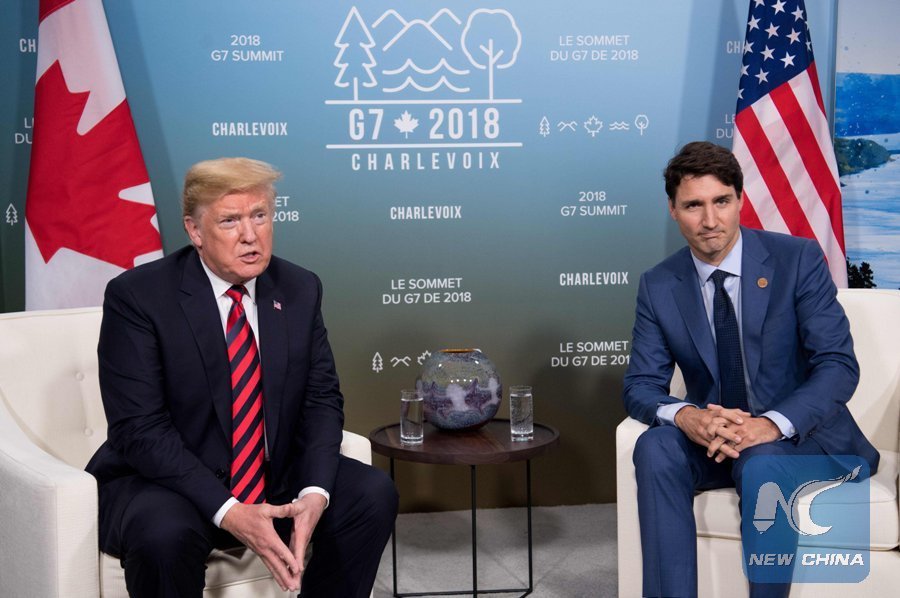
File Photo: U.S. President Donald Trump and Canadian Prime Minister Justin Trudeau hold a meeting on the sidelines of the G7 Summit in La Malbaie, Quebec, Canada, June 8, 2018. (Xinhua/AFP)

OTTAWA, Oct. 2 (Xinhua) -- The United States-Mexico-Canada Agreement (USMCA) reached Sunday to replace the North American Free Trade Agreement is significant "less for what's in it than what it avoids," said the head of Canada's largest business association.

"We've avoided U.S. tariffs on Canadian automobiles and an all-out trade war between Canada and the U.S., and reduced the uncertainty surrounding Canada-U.S. trade, which is positive for investors," Perrin Beatty, president of Canadian Chamber of Commerce, told Xinhua.

U.S. President Donald Trump had threatened to impose auto tariffs, which were initially under the pretext that imports of vehicles and parts threatened national security. On Monday, however, he admitted that they were used as a "negotiating point" to reach a trade deal with Canada.

Under the USMCA, the first 2.6 million Canadian-made vehicles exported to the United States will be exempt from any future tariffs, significantly more than the current 1.8 million Canadian cars and SUVs exported to the United States annually.

However, Beatty, also a former senior Canadian cabinet minister, remains concerned about the tariffs the United States imposed on Canadian steel and aluminum earlier this year, which are also based on a national security provision of a U.S. trade law.

Getting those U.S. levies removed is "job number one," Beatty said.

"These are illegal tariffs applied against Canadian steel and aluminum that should have never been imposed," he said. "We have a shared defense industrial base, and Canada's ability to supply steel and aluminum helped to backstop American security and is not a threat."

If the United States doesn't eliminate those tariffs, Canada, which has implemented its own retaliatory duties against U.S. steel and aluminum, should "use every legal means to challenge them," Beatty said, adding that he had hoped the Americans would have lifted the levies "in good faith" as part of a broader USMCA.

In June, Washington imposed steep import tariffs on steel (25 percent) and aluminum (10 percent) from Mexico, Canada and the European Union.

The U.S. administration said Monday that it would keep in place tariffs against Canadian steel and aluminum imports, one of the key weapons it used as leverage during the negotiations that took more than a year.

Leaders of the three countries are expected to convene before the end of November to sign the deal.

Back to Top Close
Xinhuanet

Canada avoids U.S. tariffs on autos, needs steel levies also removed: Canadian business leader

Source: Xinhua 2018-10-03 21:52:13

File Photo: U.S. President Donald Trump and Canadian Prime Minister Justin Trudeau hold a meeting on the sidelines of the G7 Summit in La Malbaie, Quebec, Canada, June 8, 2018. (Xinhua/AFP)

OTTAWA, Oct. 2 (Xinhua) -- The United States-Mexico-Canada Agreement (USMCA) reached Sunday to replace the North American Free Trade Agreement is significant "less for what's in it than what it avoids," said the head of Canada's largest business association.

"We've avoided U.S. tariffs on Canadian automobiles and an all-out trade war between Canada and the U.S., and reduced the uncertainty surrounding Canada-U.S. trade, which is positive for investors," Perrin Beatty, president of Canadian Chamber of Commerce, told Xinhua.

U.S. President Donald Trump had threatened to impose auto tariffs, which were initially under the pretext that imports of vehicles and parts threatened national security. On Monday, however, he admitted that they were used as a "negotiating point" to reach a trade deal with Canada.

Under the USMCA, the first 2.6 million Canadian-made vehicles exported to the United States will be exempt from any future tariffs, significantly more than the current 1.8 million Canadian cars and SUVs exported to the United States annually.

However, Beatty, also a former senior Canadian cabinet minister, remains concerned about the tariffs the United States imposed on Canadian steel and aluminum earlier this year, which are also based on a national security provision of a U.S. trade law.

Getting those U.S. levies removed is "job number one," Beatty said.

"These are illegal tariffs applied against Canadian steel and aluminum that should have never been imposed," he said. "We have a shared defense industrial base, and Canada's ability to supply steel and aluminum helped to backstop American security and is not a threat."

If the United States doesn't eliminate those tariffs, Canada, which has implemented its own retaliatory duties against U.S. steel and aluminum, should "use every legal means to challenge them," Beatty said, adding that he had hoped the Americans would have lifted the levies "in good faith" as part of a broader USMCA.

In June, Washington imposed steep import tariffs on steel (25 percent) and aluminum (10 percent) from Mexico, Canada and the European Union.

The U.S. administration said Monday that it would keep in place tariffs against Canadian steel and aluminum imports, one of the key weapons it used as leverage during the negotiations that took more than a year.

Leaders of the three countries are expected to convene before the end of November to sign the deal.

010020070750000000000000011100001375098681