中文字幕网伦射乱中文-超清中文乱码字幕在线观看-亚洲v国产v欧美v久久久久久-久久性网-手机在线成人av-成人六区-国产人与zoxxxx另类一一-青青草国产久久精品-蜜桃av久久久一区二区三区麻豆-成人av一区二区免费播放-在线视频麻豆-www爱爱-成人免费看片视频-性欧美老肥妇喷水-五月99久久婷婷国产综合亚洲-亚洲最色-各种含道具高h调教1v1男男-91丨porny丨国产-国产精品无码专区在线观看不卡-大香伊人

 
Analysis: U.S. exit from nuclear arms treaty invites new arms race
                 Source: Xinhua | 2018-10-24 23:28:39 | Editor: huaxia

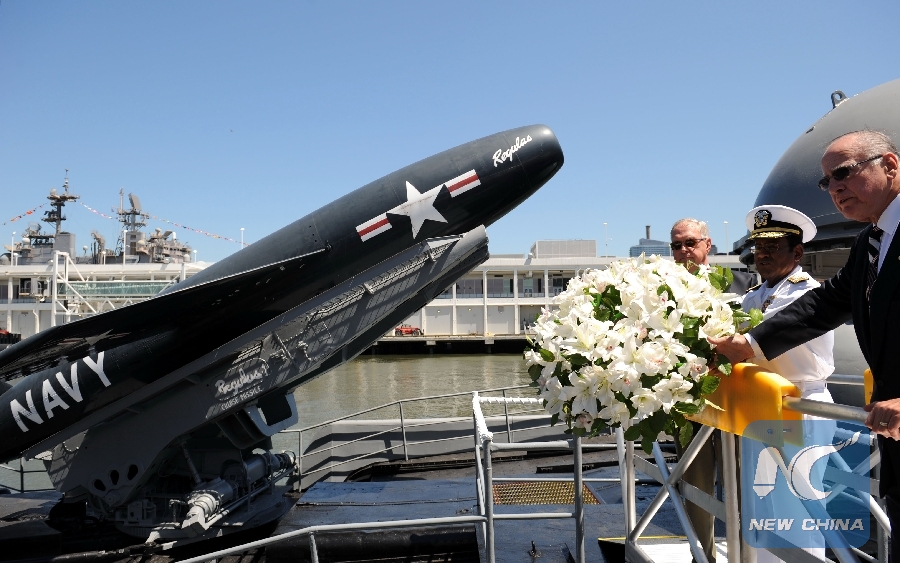
File Photo: Three veterans of USS Nuclear Submarine "Growler" (SSG 577), Melvin Williams (C), Dan Gillcrist (R) and Torykian lay a commemorative wreath into the water beside the submarine Growler at the Intrepid Sea, Air & Space Museum, Manhattan, New York, the United States, May 21, 2009. Commissioned in 1958 and on active duty through 1964, USS Growler carried nuclear missiles and performed deterrent mission patrols in the Pacific Ocean. (Xinhua/Gu Xinrong)

by Matthew Rusling

WASHINGTON, Oct. 23 (Xinhua) -- The United States mulling to pull out of the landmark Intermediate-Range Nuclear Forces (INF) Treaty will fret over the possibility of a new round of arms race worldwide, said U.S. experts.

U.S. President Donald Trump on Saturday announced his intention to withdraw his country from the 1987 treaty, citing Russia's violation of the deal.

On Tuesday, U.S. National Security Advisor John Bolton, after his meeting with Russian President Vladimir Putin in Moscow, said that the United States will file a formal notice of its withdrawal from the treaty "in due course."

Experts see that the INF treaty probably will be the latest among a string of bilateral or multilateral agreements torn up by Trump as he felt they no longer benefit the United States.

Trump felt that "the United States is not going to be taken advantage of," Republican strategist and TV personality Ford O'Connell told Xinhua.

Moreover, it showed that the Untied States wanted to re-align its relationship with Russia, O'Connell said.

Analysts also noted that pulling out of the accord could allow Washington to develop weapons banned by the agreement.

"Trump withdrew from the INF treaty to give the administration greater flexibility on the deployment of nuclear weapons," Brookings Institution Senior Fellow Darrell West told Xinhua.

"Throughout his time on the political stage, Trump has often linked nuclear arms with national strength and greatness," noted Christopher Galdieri, assistant professor at Saint Anselm College.

"From his perspective, limits on nuclear arms are limits on American power," the scholar added.

West believed that Bolton likely was behind this move, as he has often taken a tough stance on Russia and argued in favor of greater U.S. military flexibility.

"He is part of the group that wants America to be tougher abroad in its foreign policy," West said.

Meanwhile, analysts also worry that the move may trigger a weapons buildup around the world.

Withdrawal entails significant costs for U.S. and Western security, Steven Pifer, a nonresident scholar with the Brookings Institution, told U.S. online media Axios.

"The decision has already sparked controversy within NATO, with officials in Berlin, Rome and Paris criticizing Trump's announcement," Pifer added.

"It would be the first time, essentially, since the 1970s that there would be no nuclear arms control agreements regulating the nuclear powers of the world," Hans Kristensen, director of the Nuclear Information Project at the Federation of American Scientists, a private group in Washington, told National Public Radio.

"So the door would be wide open for, potentially, a new arms race," the expert added.

Back to Top Close
Xinhuanet

Analysis: U.S. exit from nuclear arms treaty invites new arms race

Source: Xinhua 2018-10-24 23:28:39

File Photo: Three veterans of USS Nuclear Submarine "Growler" (SSG 577), Melvin Williams (C), Dan Gillcrist (R) and Torykian lay a commemorative wreath into the water beside the submarine Growler at the Intrepid Sea, Air & Space Museum, Manhattan, New York, the United States, May 21, 2009. Commissioned in 1958 and on active duty through 1964, USS Growler carried nuclear missiles and performed deterrent mission patrols in the Pacific Ocean. (Xinhua/Gu Xinrong)

by Matthew Rusling

WASHINGTON, Oct. 23 (Xinhua) -- The United States mulling to pull out of the landmark Intermediate-Range Nuclear Forces (INF) Treaty will fret over the possibility of a new round of arms race worldwide, said U.S. experts.

U.S. President Donald Trump on Saturday announced his intention to withdraw his country from the 1987 treaty, citing Russia's violation of the deal.

On Tuesday, U.S. National Security Advisor John Bolton, after his meeting with Russian President Vladimir Putin in Moscow, said that the United States will file a formal notice of its withdrawal from the treaty "in due course."

Experts see that the INF treaty probably will be the latest among a string of bilateral or multilateral agreements torn up by Trump as he felt they no longer benefit the United States.

Trump felt that "the United States is not going to be taken advantage of," Republican strategist and TV personality Ford O'Connell told Xinhua.

Moreover, it showed that the Untied States wanted to re-align its relationship with Russia, O'Connell said.

Analysts also noted that pulling out of the accord could allow Washington to develop weapons banned by the agreement.

"Trump withdrew from the INF treaty to give the administration greater flexibility on the deployment of nuclear weapons," Brookings Institution Senior Fellow Darrell West told Xinhua.

"Throughout his time on the political stage, Trump has often linked nuclear arms with national strength and greatness," noted Christopher Galdieri, assistant professor at Saint Anselm College.

"From his perspective, limits on nuclear arms are limits on American power," the scholar added.

West believed that Bolton likely was behind this move, as he has often taken a tough stance on Russia and argued in favor of greater U.S. military flexibility.

"He is part of the group that wants America to be tougher abroad in its foreign policy," West said.

Meanwhile, analysts also worry that the move may trigger a weapons buildup around the world.

Withdrawal entails significant costs for U.S. and Western security, Steven Pifer, a nonresident scholar with the Brookings Institution, told U.S. online media Axios.

"The decision has already sparked controversy within NATO, with officials in Berlin, Rome and Paris criticizing Trump's announcement," Pifer added.

"It would be the first time, essentially, since the 1970s that there would be no nuclear arms control agreements regulating the nuclear powers of the world," Hans Kristensen, director of the Nuclear Information Project at the Federation of American Scientists, a private group in Washington, told National Public Radio.

"So the door would be wide open for, potentially, a new arms race," the expert added.

010020070750000000000000011100001375557831